
The National Oceanic and Atmospheric Administration (NOAA) expects a below-normal hurricane season in 2026. If you staff safety coverage for utility work, that good news might be deceiving. A below-normal forecast describes the whole Atlantic basin, not whether a storm hits your service area. Don’t let a quiet forecast lull your planning team into leaving surge seats open. Wait too long, and no credentialed person is left to call if and when a big storm forms.
The forecast isn’t the problem. The timing is.
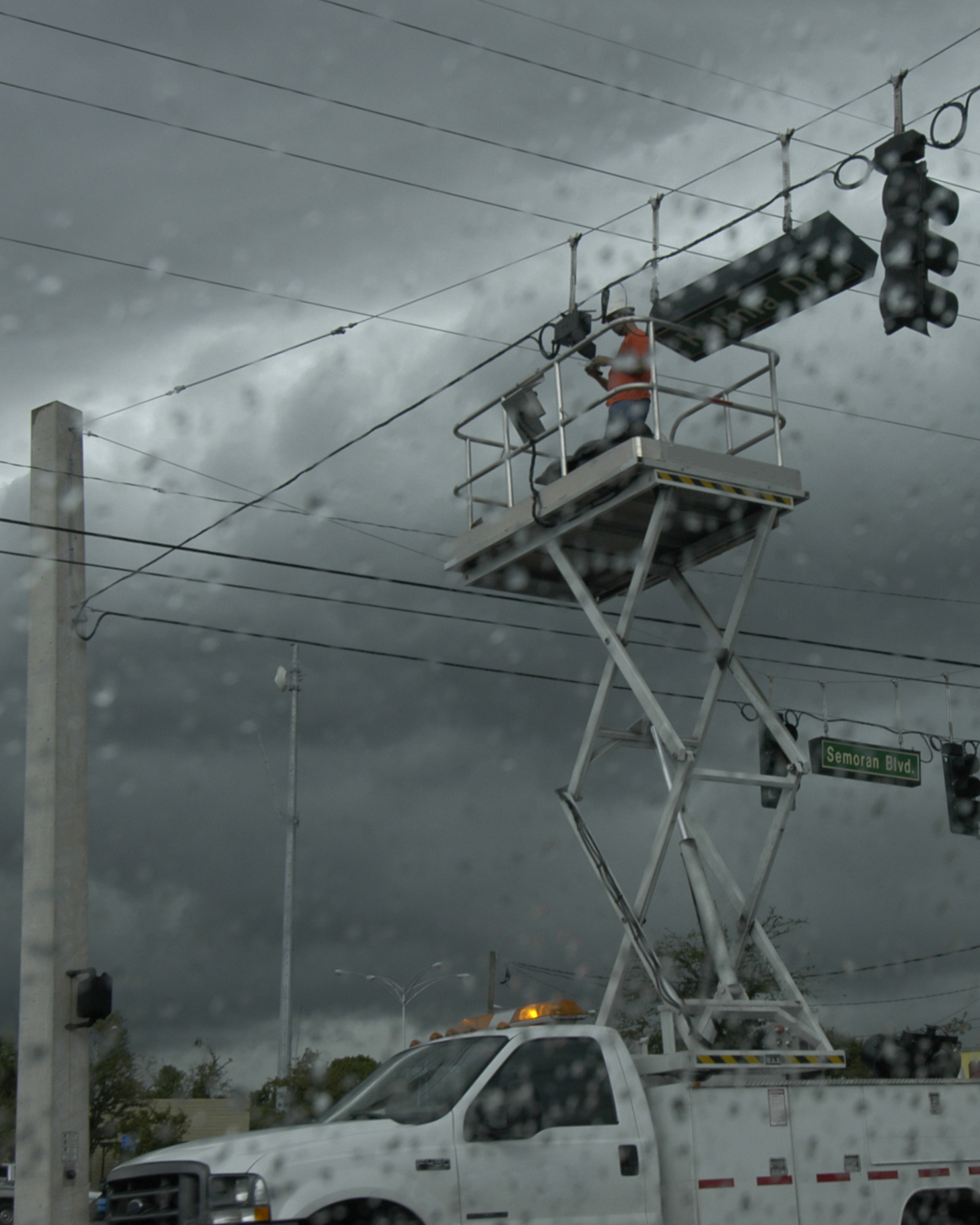
Does a below-normal hurricane forecast mean lower risk for utilities?
No. A below-normal forecast lowers the odds across the basin. It does not lower the risk to your grid.
NOAA puts the 2026 season at a 55% chance of below-normal activity, with 8 to 14 named storms, 3 to 6 hurricanes, and 1 to 3 major hurricanes. An expected El Niño drives that call. It adds wind shear over the Atlantic and suppresses storm development.
But a seasonal outlook is a probability, not a landfall map. NOAA’s own leadership emphasized that just one storm can make for a bad season. 2025 also came in quieter than average, yet it still produced four major hurricanes, including a Category 5. One storm hitting a populated grid outweighs a calm average every time.
So the forecast tells you what the basin will likely do. It doesn’t tell you what your crews will face. Plan for the storm you could get, not the season you’re promised.
When should utilities staff for storm season?
Lock your surge safety coverage early, before the window opens. Atlantic hurricane season runs from June 1 through November 30 and peaks from mid-September through October. In July, you’re on the runway, not in the buffer zone. Move now, and you still get a good pick of the safety bench.
This is one of the most predictable operational events on the calendar. The window is coming.
What do utilities get wrong when they staff for storm season?
The same three mistakes show up every season: budgeting to headcount instead of capability, treating surge coverage as a last-minute task, and defaulting to a generalist staffing agency when the notice hits.
Why doesn’t headcount equal coverage?
A body in a vest fills a slot on the roster. But they may not be the right person for the conditions on the ground. Storm restoration runs on compressed timelines and high-hazard, simultaneous work. That environment demands people who have worked in it before, not a headcount that clears an audit. When you budget for a body count rather than for candidates with the right experience, you buy coverage on paper and expose your site in practice.
Why is waiting for the activation notice a mistake?
By the time you call, everyone else is too. The facilities that move early get the strongest people. The ones who wait get whoever’s left, or they fill critical roles with unvetted candidates, creating unnecessary risk. The safety bench is also thinner than most teams assume, and it empties fast once a system forms.
Can a generalist staffing agency handle storm-season safety hiring?
Not reliably. A generalist agency fills the requisition. It can’t consistently discern a storm-seasoned safety professional from an OSHA card stapled to someone with no field time.
Under pressure, that gap is the difference between:
- Someone who signs the permit and moves on.
- A storm-seasoned pro who sees the grounding gap and stops the job because they’ve watched that shortcut turn into an arc flash before.
Safety staffing is a specific expertise. General staffing treats a safety role like any other, and that assumption is where risk increases.
These three mistakes share the same root cause: an inadequate staffing plan for storm coverage.
What happens when storm-season safety staffing falls short?
You hit the window short-handed. Unfamiliar contractors show up. High-hazard tasks stack on top of each other. And you’re staring at open safety seats with a 72-hour window to fill them.
That’s the exact moment utility storm restoration staffing stops being a line item and becomes a live risk. The forecast average doesn’t restore power. Crews do. And crews need qualified safety coverage on site the day the system spins up, not a week later when the paperwork finally clears.
How fast can you staff safety professionals for storm restoration?
ResponsAble deploys vetted, credentialed safety professionals nationwide within 48 hours. We pull candidates from a live national bench we maintain year-round, not from a reactive search that starts when your req comes in.
Three things make that possible:
- Ongoing Recruitment: We recruit continuously, so the right match already exists before you call.
- 24-to-48-hour deployment: Coverage that moves as fast as your activation.
- Field Experience: Our placements have run storm restorations and turnarounds. They know what gets missed under pressure.
That last point matters most. The professional walking onto your site during a surge already knows where to look. There’s no orientation curve when the timeline won’t allow one.
We staff safety. Only safety. That focus is why we see the differences a generalist staffing firm can’t.
Lock Your Surge Safety Coverage
Audit your surge coverage now. Pre-position the people you’ll need before the activation notice forces the decision.
When you get the bench in place early, the right person protects your site when it counts, catching what a generalist would have missed before it becomes a citation, a claim, or a crew member who doesn’t go home.
The forecast is provisional. Your coverage shouldn’t be.
FAQs
We staff the full surge lineup: safety technicians, confined space attendants, fire watch, and permit writers, through flaggers, spotters, industrial labor, and credentialed EHS managers. Our bench holds certifications including OSHA 10/30, OSHA 500/510, CSP, CHST, and COSS, plus confined space and radiation safety qualifications. Tell us the scope, and we will match the credential to the risk.
Nationwide. We maintain a national bench, so we can deploy into any service area. That matters when a storm tracks somewhere your local labor pool runs thin, or when you need coverage across several states at once.
Yes. We deploy vetted, credentialed professionals within 24 to 48 hours. Planning early gets you first pick of the bench, but if you’re already short, one call still beats filling critical roles with unqualified candidates.
Every placement is credentialed and field-tested. We verify certifications, then screen for what a card or resume can’t show: whether someone has actually worked compressed, high-hazard windows and can lead a crew that doesn’t report to them. Because we recruit year-round, that vetting happens before you call, not in the middle of your emergency.
Temp Hire is on-demand, volume-driven coverage built for surges like storm season. Project Hire places credentialed professionals within defined project scopes, prioritizing fit and expertise. Turnaround staffing is a specialized track for compressed, seasonal maintenance windows. Storm surge usually starts with Temp Hire; extended restoration or rebuild work may shift to Project Hire.