
Time to get prepared for the intense heat that a large group of workers will be exposed to during the next few months and prevent heat illness at work and on the job.
Outdoor and indoor heat exposure can be dangerous.
Millions of U.S. workers are exposed to heat in their workplaces. Although illness from exposure to heat is preventable, every year, thousands become sick from occupational heat exposure, and some cases are fatal.
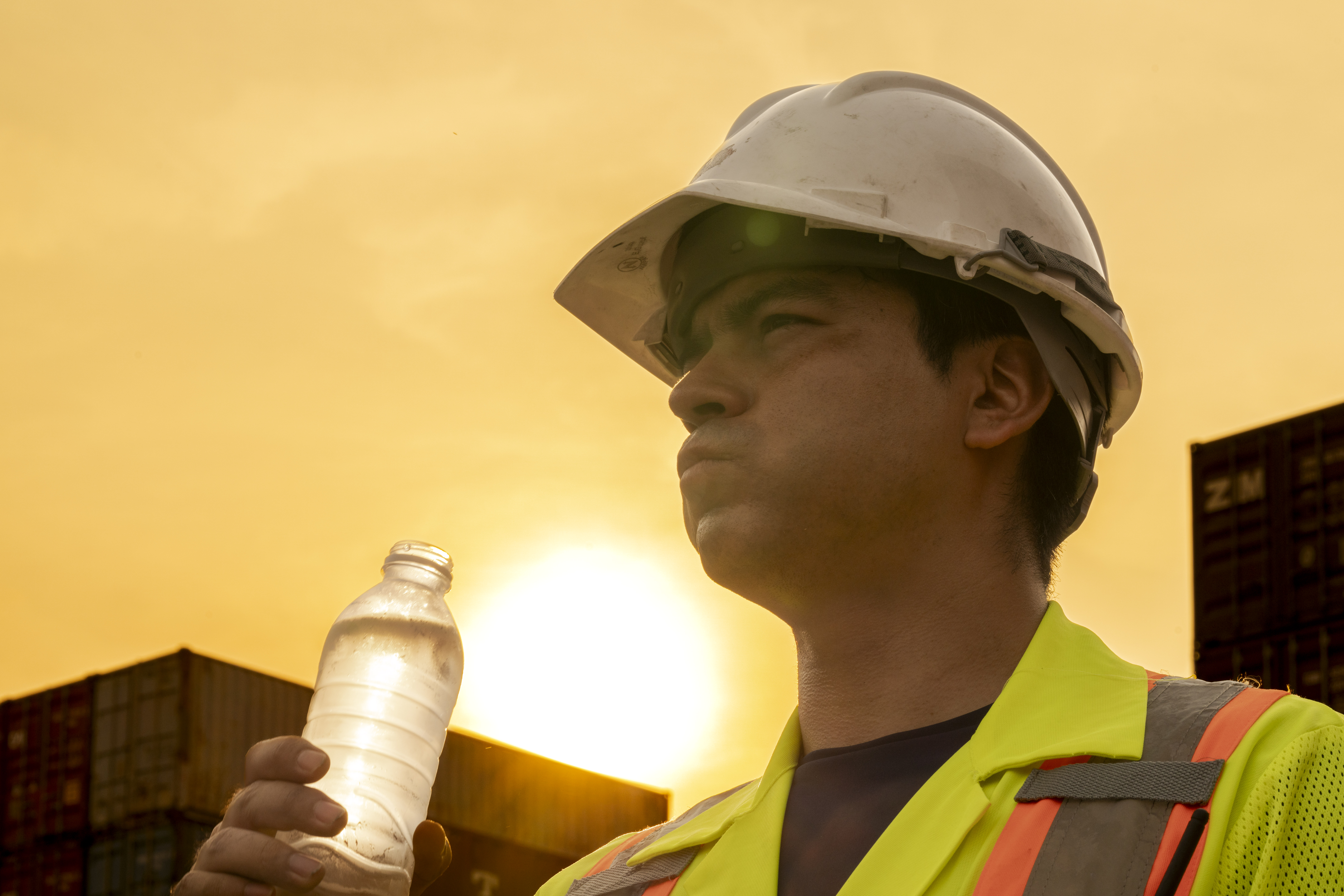
Most outdoor fatalities, 50% to 70%, occur in the first few days of working in warm or hot environments because the body needs to build a tolerance to the heat gradually over time. It’s our job as safety professionals to help prevent heat illness at work. The process of building tolerance is called heat acclimatization. Lack of acclimatization represents a major risk factor for fatal outcomes.
Occupational risk factors for heat illness include heavy physical activity, warm or hot environmental conditions, lack of acclimatization, and wearing clothing that holds in body heat.
Hazardous heat exposure can occur indoors or outdoors and can occur during any season if the conditions are right, not only during heat waves. The following is a list of some industries where workers have suffered heat-related illnesses.
Hazardous heat exposure for Indoors or Outdoors.
| Outdoors | Indoors |
| Agriculture | Bakeries, kitchens, and laundries (sources with indoor heat-generating appliances) |
| Construction – especially, road, roofing, and other outdoor work | Electrical utilities (particularly boiler rooms) |
| Construction – roofing work | Fire Service |
| Landscaping | Iron and steel mills and foundries |
| Mail and package delivery | Manufacturing with hot local heat sources, like furnaces (e.g., paper products or concrete) |
| Oil and gas well operations | Warehousing |
Steps to take to Prevent Heat Illness at Work
Controls Measures
Employers should reduce workplace heat stress by using engineering and administrative (work practice) controls. Engineering control could be a change to the design of the workplace that reduces exposure to heat. Administrative controls are changes to tasks or schedules to reduce heat stress.
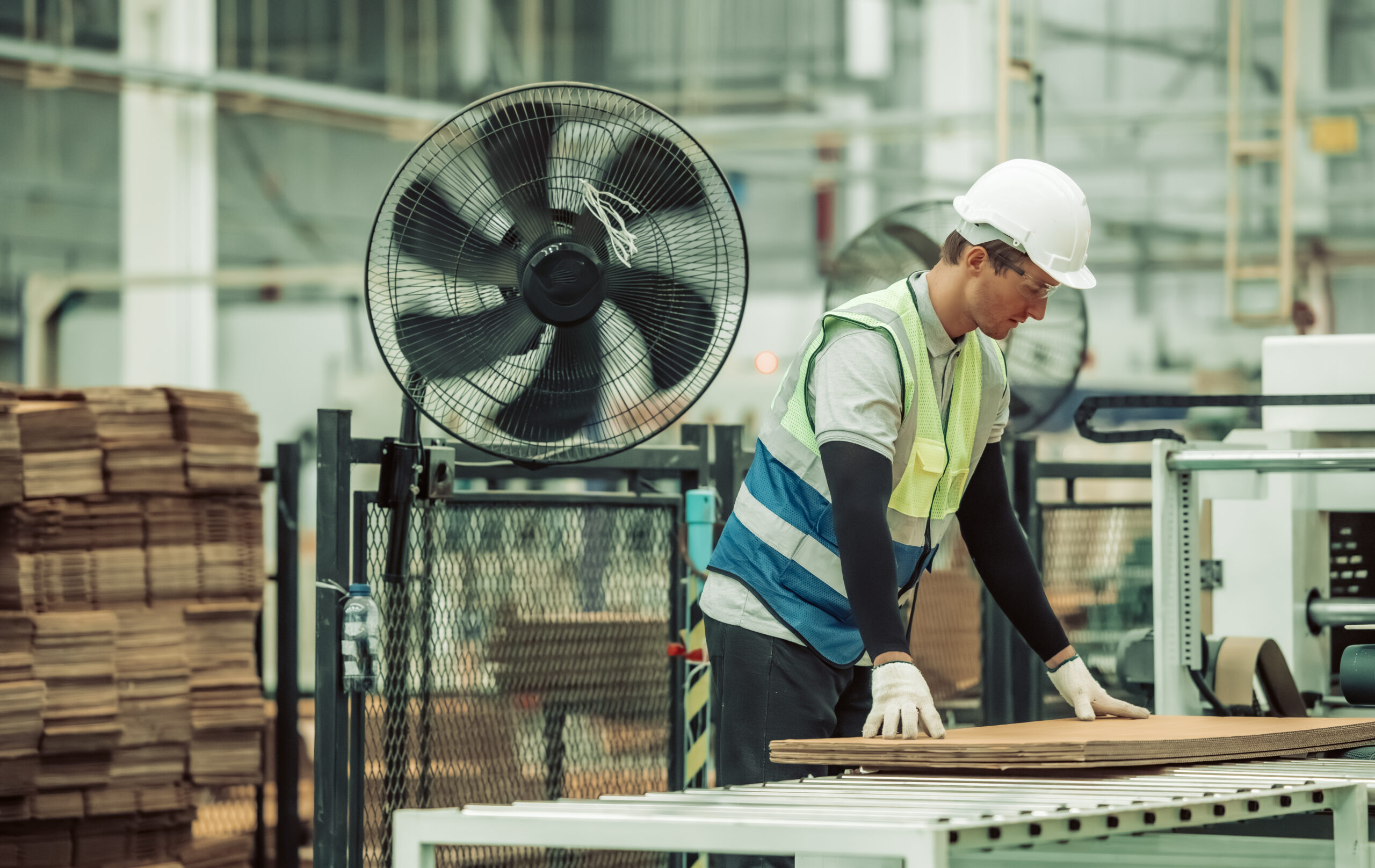
Engineering controls might include those that:
- Increase air velocity.
- Use reflective or heat-absorbing shielding or barriers.
- Reduce steam leaks, wet floors, or humidity.
Work practice (administrative control) recommendations include the following:
- Limit time in the heat and/or increase recovery time spent in a cool area.
- Reduce the metabolic (physical difficult) demands of the job.
- Use tools intended to minimize manual strain.
- Increase the number of workers per task.
- Train supervisors and workers about heat stress.
- Use a buddy system where workers observe each other for signs of heat-related illnesses.
- Require workers to conduct self-monitoring and create a work group (i.e., workers, a qualified healthcare provider, and a safety manager) to make decisions on self-monitoring options and standard operating procedures.
- Provide adequate amounts of cool, potable water near the work area and encourage workers to drink often.
- Use a heat alert program whenever the weather service forecasts a heat wave.
- Institute a heat acclimatization plan and encourage increased physical fitness.
Training
Train workers before hot outdoor work begins. Tailor the training to worksite conditions.
Employers should provide a heat stress training program for all workers and supervisors about the following:
- Recognition of the signs and symptoms of heat-related illnesses and administration of first aid.
- Causes of heat-related illnesses and steps to reduce the risk. These include drinking enough water and monitoring the color and amount of urine output.
- Proper care and use of heat-protective clothing and equipment and the added heat load caused by exertion, clothing, and personal protective equipment.
- Effects of other factors (drugs, alcohol, obesity, etc.) on tolerance to occupational heat stress.
- The importance of acclimatization.
- The importance of immediately reporting any symptoms or signs of heat-related illness in themselves or in coworkers to the supervisor.
- Procedures for responding to symptoms of possible heat-related illness and for contacting emergency medical services.
Supervisors should also be trained in the following:
- Implementing appropriate acclimatization.
- What procedures to follow when a worker has symptoms of heat-related illness, including emergency response procedures.
- Monitoring weather reports.
- Responding to hot weather advisories.
- Monitoring and encouraging adequate fluid intake and rest breaks.
Acclimatization
Acclimatization is the result of beneficial physiological adaptations (e.g., increased sweating efficiency, etc.) that occur after gradual increased exposure to a hot environment. Employers should ensure that workers are acclimatized before they work in a hot environment.
- Gradually increase workers’ times in hot conditions over 7 to 14 days.
- For new workers, the schedule should be:
- No more than 20% of the usual duration of work in the heat on day 1.
- No more than 20% increase on each additional day
- For workers with previous experience, the schedule should be:
- No more than 50% of the usual duration of work i n the heat on day 1.
- No more than 60% of the usual duration of work in the heat on day 2.
- No more than 80% of the usual duration of work in the heat on day 3.
- No more than 100% of the usual duration of work in the heat on day 4.
Closely supervise new employees for the first 14 days or until they are fully acclimatized.
Workers who are not physically fit need more time to fully acclimatize.
Acclimatization can be maintained for a few days of non-heat exposure.
Taking breaks in air conditioning will not affect acclimatization.
Hydration
Employers should provide the means for appropriate hydration of workers.
- Water should be portable, <15°C (59°F), and made accessible near the work area.
- Estimate how much water will be needed and decide who will get and check on water supplies.
- Provide individual drinking cups for each worker.
- Encourage workers to hydrate themselves.
- Workers should drink an appropriate amount to stay hydrated.
- For moderate activities in the heat that last less than 2 hours, drink 1 cup (8 oz.) of water every 15–20 minutes.
- If sweating lasts for several hours, drink sports drinks containing balanced electrolytes.
- Avoid alcohol and drinks with high caffeine or sugar.
- Fluid intake should not exceed 6 cups per hour.
NIOSH Hydration Fact Sheet 2017-126.pdf
Rest breaks
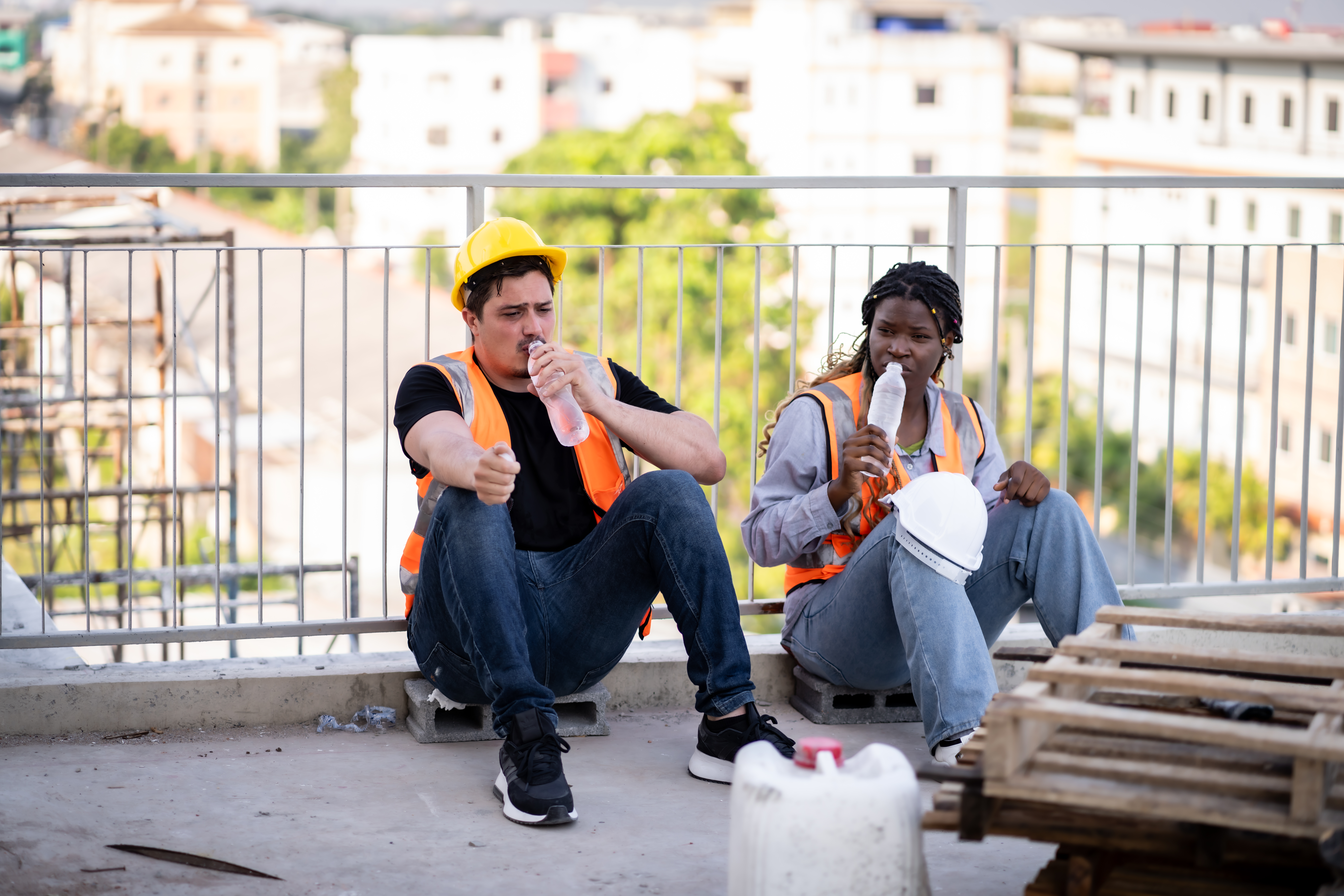
Employers should ensure and encourage workers to take appropriate rest breaks to cool down and hydrate.
- Permit rest and water breaks when a worker feels heat discomfort.
- Modify work/rest periods to give the body a chance to get rid of excess heat.
- Assign new and unacclimatized workers lighter work and longer, more frequent rest periods.
- Shorten work periods and increase rest periods:
- As temperature, humidity, and sunshine increase.
- When there is no air movement.
- If protective clothing or equipment is worn.
- For heavier work